Knee Specialist
Meniscus Tear Treatment in Pune
Precision arthroscopic meniscus repair and treatment for sports-related knee injuries.
Book Consultation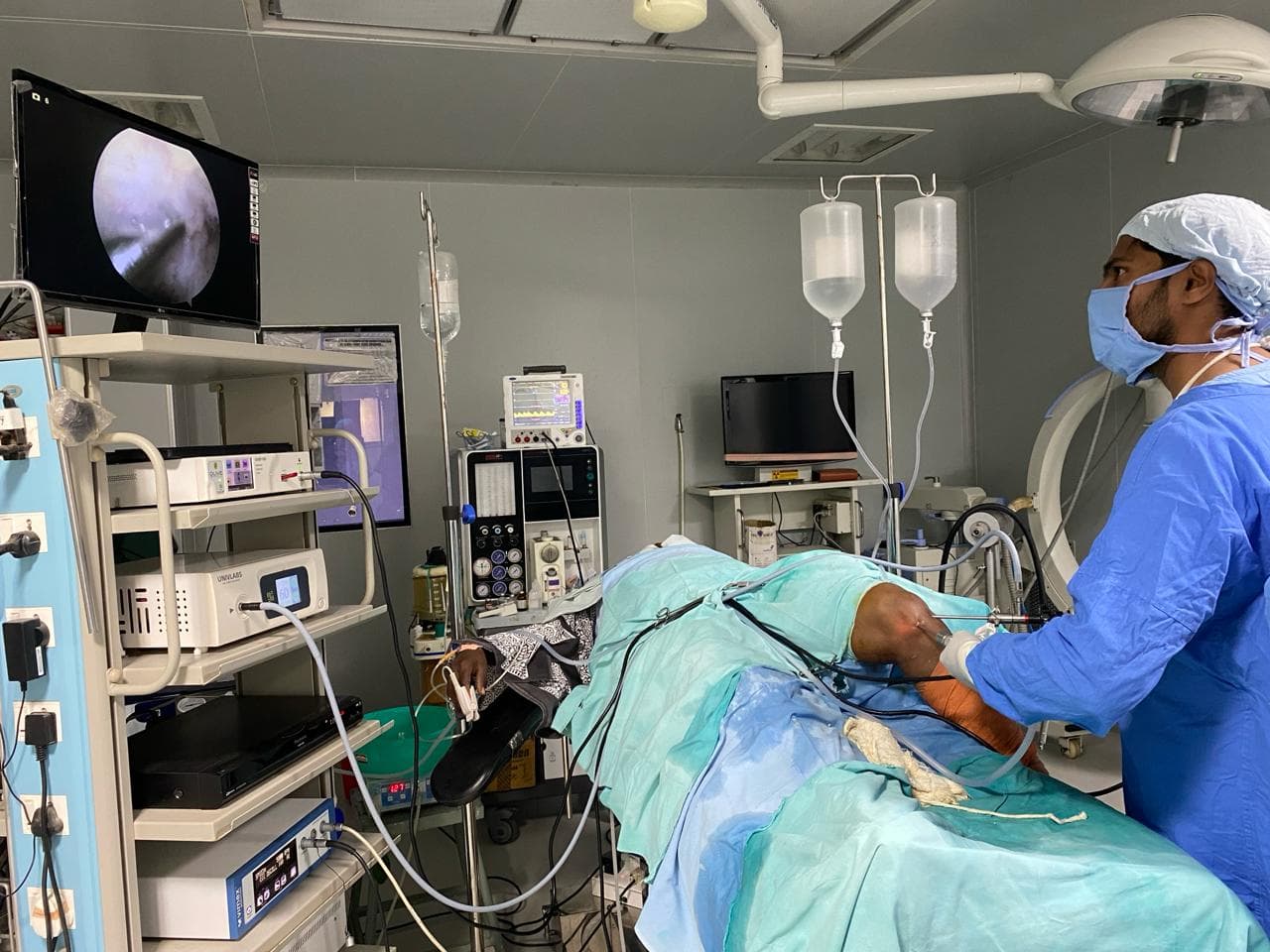
Understanding Meniscus Tears
The two menisci (medial and lateral) are C-shaped cartilage structures that cushion and stabilise the knee. Meniscus tears are extremely common in athletes, typically occurring during twisting movements with the foot planted.
Symptoms
- Pain along the joint line
- Swelling within 24–48 hours
- Knee locking or catching
- Restricted range of motion
- Pain when twisting or squatting
Types of Meniscus Tears
Radial Tear
Extends from inner to outer edge, typically requires partial removal
Horizontal Tear
Splits meniscus into upper and lower layers
Bucket Handle Tear
Large longitudinal tear that can displace and lock the knee
Flap Tear
A portion detaches and can catch in the joint
Treatment Options
Treatment is determined by tear type, location, patient age, activity level, and associated injuries. Dr. Magar always aims to preserve meniscal tissue through repair when possible, as this protects long-term knee health.
Frequently Asked Questions
Can a meniscus tear heal on its own?
Small tears in the outer (vascular) zone of the meniscus may heal with conservative management. However, most significant tears in athletes require surgical intervention.
What is the difference between meniscus repair and meniscectomy?
Meniscus repair sutures the torn tissue back together, preserving the meniscus. Partial meniscectomy removes the damaged portion. Dr. Magar prioritises repair whenever technically feasible.
How long after meniscus surgery can I return to sport?
After partial meniscectomy, return to sport is typically 4–6 weeks. Meniscus repair requires a longer protected recovery of 4–6 months.