
Cricket Medicine Specialist
Cricket Injuries
Specialist management of cricket-specific injuries for players at all levels, from club cricketers to elite performers.
Book Consultation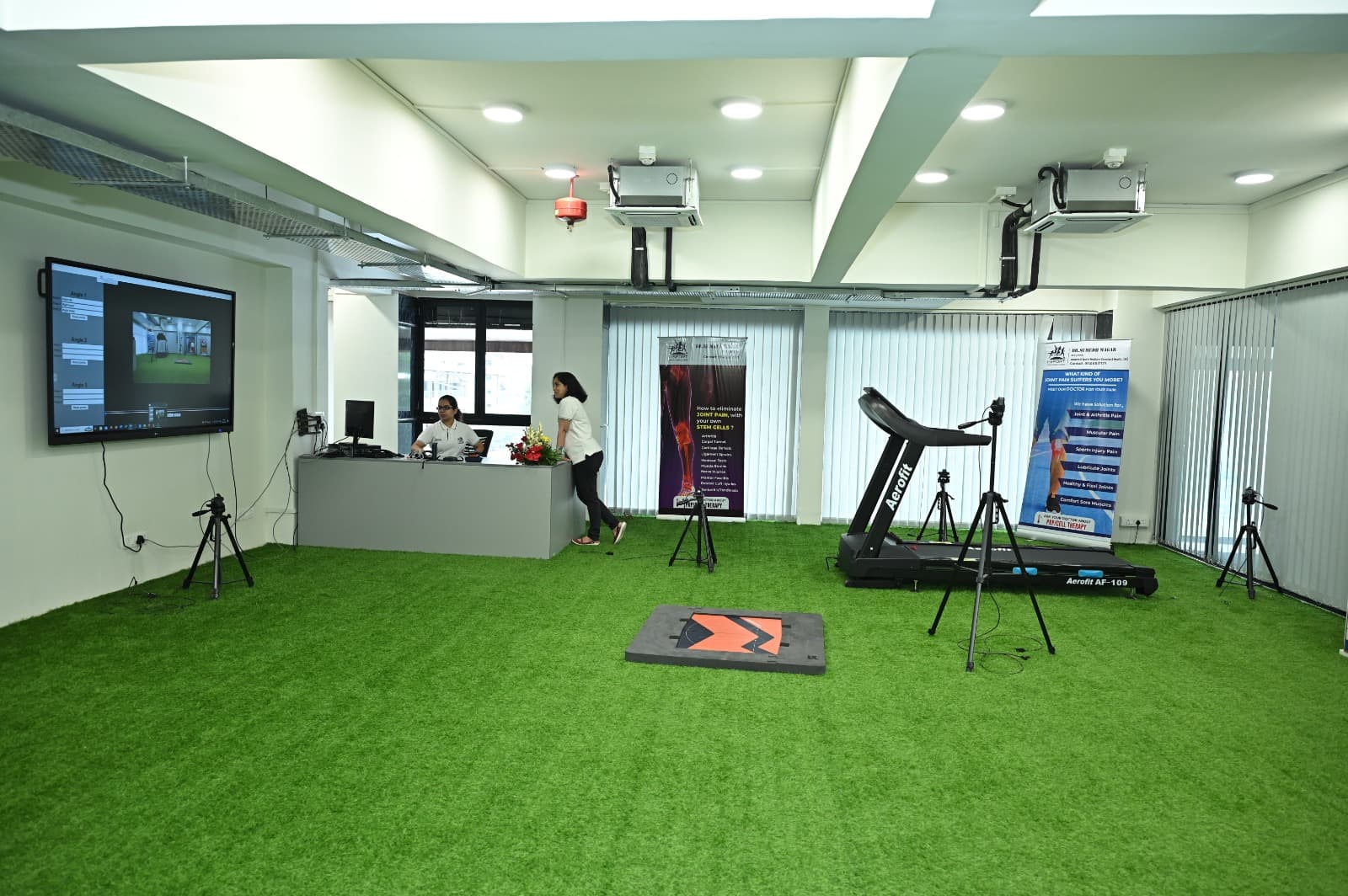
Shoulder Injuries in Bowlers
Fast bowlers are among the most injury-prone athletes in any sport. The repetitive overhead action creates enormous stress on the shoulder, leading to rotator cuff impingement, labral tears, and acromioclavicular joint injuries. These conditions require accurate diagnosis and sport-specific rehabilitation to achieve full return to bowling.
Common Cricket Injuries
Rotator Cuff Impingement
Bowlers, fielders
Stress Fractures (lower back)
Fast bowlers
Side Strain
Fast bowlers, batters
Knee Ligament Injuries
All positions
Hamstring Strains
Batters, fielders
Finger Injuries
Wicketkeepers, fielders
Stress Injuries
Lower back stress fractures (spondylolysis and spondylolisthesis) are particularly common in young fast bowlers. Early recognition is critical — delayed diagnosis can lead to chronic pain and prolonged absence from the game. MRI and SPECT-CT scanning are essential for accurate diagnosis.
Prevention
- Structured bowling load management (overs per session/week)
- Sport-specific shoulder and core strengthening programmes
- Biomechanical analysis of bowling action
- Pre-season screening and fitness assessment
- Adequate rest and recovery between matches
Frequently Asked Questions
What are the most common injuries in cricket bowlers?
Bowlers are prone to lower back stress fractures (spondylolysis), side strain, shoulder injuries (rotator cuff impingement, labral tears), and knee injuries from the bowling action.
How long does a cricket shoulder injury take to recover?
Recovery depends on severity. Mild rotator cuff impingement may resolve in 6–8 weeks with physiotherapy. Surgical repair for significant tears requires 4–6 months before return to bowling.
Can I prevent cricket injuries?
Yes. Proper bowling technique, workload management, structured strength conditioning, and adequate rest between matches significantly reduce injury risk.